
Book Snobbery: Does Genre Matter?
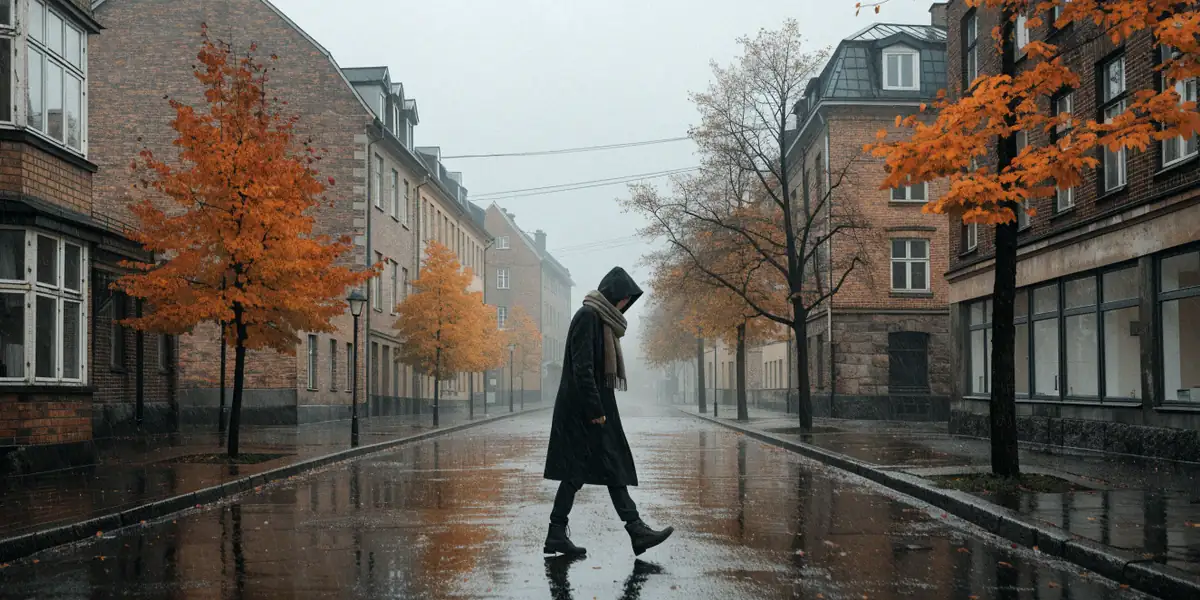
Picture the scene: it is a grey Tuesday afternoon on the number 4 tram rattling through central Helsinki. We are wedged between a teenager scrolling TikTok and a businessman checking emails, completely absorbed in the latest installment of a gritty crime thriller. We turn the page, and a stranger glances over, spots the cover, and gives us that look. You know the one. The subtle smirk that says, “Isn’t that a bit… low brow?” It is a familiar experience for many readers, yet it raises a question we find ourselves returning to again and again: does the genre printed on the spine really determine a book’s worth?
What Is Book Snobbery and Why Does It Persist?

Book snobbery is the assumption that certain types of books are inherently superior to others, usually placing “literary fiction” at the top of a cultural hierarchy and dismissing genre fiction—crime, romance, fantasy, and historical—as lesser pursuits. While we like to think reading is a purely personal joy, the shadow of literary judgment hangs over many of our shelves.
This isn’t just about individual taste; it is a systemic issue. It creeps into how bookshops arrange their tables, how newspapers allocate review space, and even how we talk about our own reading habits. In Finland, this tension is particularly visible during award season, where the divide between high art and popular fiction often becomes a topic of heated debate.
The Historical Roots of Literary Hierarchy
To understand why we feel guilty about reading a thriller, we have to look back. The idea of a strict literary hierarchy is not a modern invention. It traces back to the Victorian era, where the explosion of cheap, serialized fiction caused a moral panic. Novels were seen as a corrupting influence, particularly on women and the working class. Back then, reading a sensational story was considered a vice, while reading heavy non-fiction or poetry was a virtue.
These attitudes calcified over the centuries. The “canon” was established, largely by men in academic institutions, and anything that fell outside of it was labeled as “commercial” or “pulp.” Even today, the ghost of this Victorian moralizing lingers. We still use terms like “guilty pleasure,” implying that enjoying a fast-paced plot is a sin we must confess.
How Prize Culture Shapes Perceptions
Modern prize culture plays a massive role in reinforcing these hierarchies. The Finlandia Prize, for example, is the most prestigious literary award in the country. While it is a fantastic celebration of literature, the winners and nominees tend to skew heavily toward literary fiction and poetry.
When genre fiction is overlooked by major prizes, it sends a subtle message to readers: this book is not “important” enough. It suggests that a story about a detective solving a murder is less valuable than a story about a middle-aged professor having an existential crisis in a summer cottage. This gatekeeping shapes public perception, making readers feel that their preference for plot-driven stories is somehow less sophisticated.
Genre Fiction in Finland: Crime and Historical Fiction
Here in Finland, we have a particularly rich relationship with genre fiction. In fact, some of our most successful cultural exports are genre novels. To dismiss them as lesser art is to ignore a significant part of our literary identity.
Nordic Noir and Its Global Reach
Nordic noir is a phenomenon that has conquered the world. The dark, moody landscapes of Scandinavian crime fiction resonate with readers globally, offering a stark contrast to sunnier, more traditional mystery settings. Finnish authors are central to this movement. Take Leena Lehtolainen, for instance. Her Maria Kallio series is a staple of the genre, combining tight plotting with sharp social commentary on Finnish society. Lehtolainen’s work proves that crime fiction can tackle complex themes like gender equality and political corruption while still delivering a gripping mystery.
The popularity of these books isn’t just a trend; it is a testament to the craft involved. Writing a compelling mystery requires immense skill in pacing, structure, and character development. The global success of Nordic noir shows that readers are hungry for these stories, regardless of the “crime” label attached to them.
Historical Fiction as a Window to Finnish History
Similarly, historical fiction offers a vital window into our past. While history textbooks provide dates and facts, historical novels provide the emotional texture of the past. Finnish historical fiction often explores the country’s complex history—from the Swedish era to the Russian rule, and through the turbulent 20th century.
These books allow us to experience the Winter War or the post-war reconstruction era through the eyes of characters we come to love. This emotional connection is a powerful educational tool. The Helsinki Book Fair is a perfect example of this intersection. Every year, thousands of readers flock to the Messukeskus to meet authors, attend panels, and buy books across every genre imaginable. The fair celebrates the diversity of reading, proving that there is an audience for every kind of story.
The Case Against Genre Snobbery
We argue that the wall between “literary” and “genre” fiction is artificial and increasingly irrelevant. The best books often straddle the line, borrowing tropes from genre fiction while employing the stylistic depth of literary fiction.
Genre as a Marketing Tool, Not a Quality Label
At the end of the day, genre labels are a marketing tool. They are designed to help bookshops shelve books and help readers find what they like. They are not a measure of quality. A label like “crime fiction” tells you what kind of plot to expect, not how well it is written.
We can find beautifully written prose in the fantasy section and poorly written prose in the literary fiction section. To judge a book solely by its category is to judge a restaurant by its postcode. It ignores the actual content.
When Literary Fiction Meets Genre Tropes
Some of the most respected literary authors have happily embraced genre tropes. Margaret Atwood is a prime example. While often shelved as literary fiction, her work frequently engages with science fiction and speculative fiction. The Handmaid’s Tale is, at its core, a dystopian novel. Similarly, authors like Kate Atkinson write crime fiction that is celebrated for its literary merit.
Conversely, many “genre” authors write with a level of prose and thematic complexity that rivals any prize-winner. When we dismiss a book because it is a “thriller,” we might be missing out on some of the best writing available today.
How We Review Books on Our Blog
Here at mrsbloggsbooks.com, we take a firm stance against snobbery. Our review philosophy is simple: we judge a book by its emotional impact, the craft of its writing, and its originality, not by the category it fits into.
Our Criteria for a Good Read
When we sit down to review a book, we ask ourselves a few key questions:
- Emotional Impact: Did the book make us feel something? Did we care about the characters?
- Craft: How was the pacing? Was the dialogue believable? Did the author handle the plot twists effectively?
- Originality: Did the author bring something new to the table, or did it feel like a copy of a hundred other books?
We apply these criteria equally to a cozy mystery, a sweeping historical epic, or a contemporary literary novel. A great story is a great story, no matter where it sits in the library.
Why We Participate in Blog Tours
We are active participants in blog tours. For those unfamiliar, a blog tour is a coordinated virtual tour where a book is featured on a series of blogs over a specific period. We love participating because it allows us to showcase books from a variety of genres that might otherwise fly under the radar.
We select books for tours based on the synopsis and the author’s voice, not the genre. It is a fantastic way to discover new indie authors and support the publishing community. It also allows us to connect with other readers who share our passion for stories.
Reader Shame and the Joy of Reading What You Love
Despite our best efforts, reader shame is a real phenomenon. It is that feeling of embarrassment when someone asks what you are reading, and you feel the need to justify your choice of a romance novel or a spy thriller.
The Myth of the Guilty Pleasure
We need to retire the phrase “guilty pleasure.” Why should pleasure be guilty? If you are reading a book and enjoying it, you are doing something wonderful for your brain. You are engaging with language, exercising empathy, and escaping into another world.
Finnish reading habits are actually quite encouraging in this regard. Finland is a nation of readers, with high library usage and a strong culture of reading for leisure. However, even here, the pressure to read “serious” books can creep in. We say, let it go. There is no guilt in joy.
Embracing Your Reading Identity
We encourage you to embrace your reading identity, whatever it may be. If you love reading crime fiction, own it. If you read historical fiction to learn about the past, celebrate it. Your reading preferences are a part of who you are.
Reading is not a competition. It is not a status symbol. It is a relationship between you and the text. No one else gets a vote on what that relationship should look like.
FAQ
Is crime fiction considered low brow?
No, crime fiction is not low brow. It is a complex genre that requires significant skill to execute well. Authors like Leena Lehtolainen demonstrate that crime fiction can tackle deep social themes and feature sophisticated character development. The label “crime” describes the plot, not the quality of the writing.
Why do people look down on genre fiction?
This often stems from historical literary hierarchies and prize culture, which tend to prioritize realistic literary fiction over plot-driven genres. However, these distinctions are largely arbitrary and often driven by marketing rather than actual literary merit.
What is a blog tour?
A blog tour is a promotional event where a book is featured on a series of blogs over a set period. It helps authors reach new audiences and allows bloggers like us to share reviews, interviews, and guest posts about books we enjoy across various genres.
How do you choose which books to review?
We choose books based on their potential for emotional impact, originality, and craft. We do not limit ourselves by genre. We are always looking for stories that surprise us, move us, or challenge us, whether they are thrillers, historical epics, or literary fiction.
Ultimately, genre is just a shelf label. It is a tool for organization, not a measure of a book’s value or a reader’s intelligence. Whether you are on a tram in Helsinki or curled up on your sofa, the only thing that matters is whether the book speaks to you. We invite you to share your own experiences with book snobbery in the comments below—let’s keep the conversation going.



Post Comment